The Collection Value of Chinese Tiger Paintings — Why Hand-Painted Is Forever
Liao Qing · TigerVow Studio Official
· 100 views
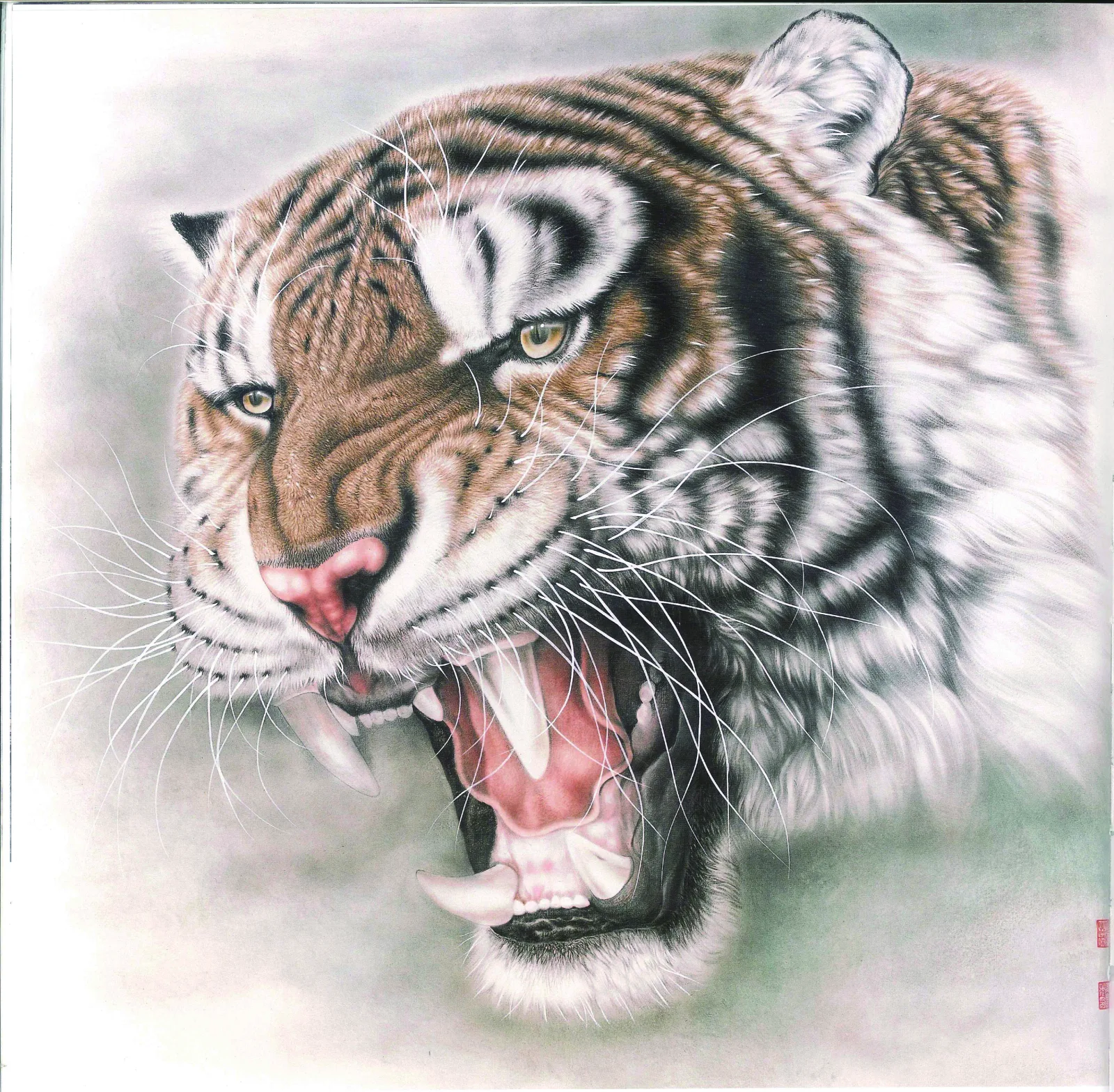
In a world flooded with prints, posters, and machine-made images, a hand-painted tiger has become something rare: a thing that ages well. The ink settles into the paper. The brushstrokes reveal their hand. The painting grows more itself with every year it hangs on your wall. This is the quiet power of collection — and it is why more collectors, in Asia and the West, are turning to original Chinese tiger paintings.
1. Scarcity — The Last Village of Its Kind
There is only one Wanggongzhuang. There is only one village where six generations of farming families have kept the brush alive, painting tigers by hand in the winter light. When the last painter sets down the brush, the tradition ends. Every original tiger painting you see today is, in the truest sense, a finite edition — the edition of human hands, of a single village, of a craft that the modern world has not learned to mass-produce.
Scarcity is the first law of collection value. A Wanggongzhuang tiger is scarce by its nature, not by a marketing decision.
2. Provenance — A Painting With a Name
A print is anonymous. A machine does not sign its work. But a Tiger Vow painting carries the name of the painter, the generation of the lineage, and the story of the village. Provenance — the documented origin of a work — is the second law of collection value. When you can say who painted it, where, and in what tradition, the painting is no longer decoration. It is a document of living culture.
3. Meaning — The Blessing That Prints Cannot Carry
A machine can copy a tiger's shape. It cannot copy the intent behind the brush — the wish, the blessing, the feng shui meaning that the painter places into every stroke. In Chinese tradition, a tiger painting is a guardian, and a guardian must be made by hand. This is why an original, even a modest one, holds a value that no print can reach: it is believed in, and belief is the slowest-depreciating currency in the world.
4. The Long Horizon
The collector's eye looks past the next decade. A print is landfill in ten years. A hand-painted tiger, well kept, is heirloom in thirty — a piece that a grandchild will inherit, recognize, and revere. The ink does not fade. The paper does not yellow if it is cared for. The story, the name, and the meaning only grow richer with retelling.
This is the true collection value of a Chinese tiger painting: it is the rare object that becomes more valuable the longer it is loved.
How to Begin
Start with feeling. Choose the tiger that meets your eye — climbing, descending, with family, or alone. Ask for the painter's name. Ask for the village. Hang it where you will see it every day, and let it age with you. The painting you choose today is the heirloom your family will know tomorrow.
Hand-painted is forever. Prints are for the season.

0 Comments
No comments yet. Start the conversation!